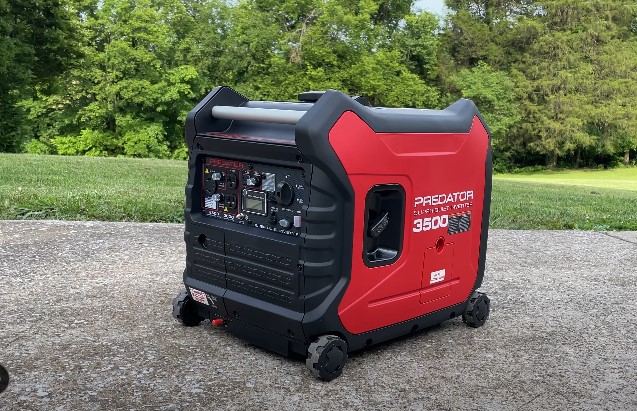
6 Common Predator 3500 Generator Problems (With Fixes)

Struggling with your Predator 3500 Generator? You’re not alone! Like any machine, it can face some common hiccups that might leave you frustrated. 

From starting issues to power inconsistencies, these problems can disrupt your plans. But don’t worry we’ve got you covered! 

Here are 6 common Predator 3500 Generator problems and simple fixes to get it running smoothly again.

Predator 3500 Generator Problems (Short Overview)

The Predator 3500 Generator can face issues like trouble starting, low power output, or sudden shutdowns. 

These problems often happen due to dirty filters, low oil levels, or old spark plugs. 

Fixing them is usually simple with regular maintenance and quick checks. Don’t stress most issues can be resolved easily to have your generator running smoothly again!
Read 6 Common Problems With Easy & Practically Solution

Predator 3500 Generator Problems

1. Starting Issues

One common problem with the Predator 3500 generator is difficulty starting. This can be frustrating, especially during emergencies or when you need reliable power.

Causes & Fixes

  • Fuel Problems: Stale or low-quality fuel can prevent the generator from starting. Always use fresh, high-quality fuel and ensure the tank is filled.
  • Battery Issues: A weak or drained battery may fail to provide enough power for ignition. Check the battery charge and connections, and replace if necessary.
  • Clogged Components: Dirty air filters or a clogged carburetor can restrict airflow and fuel flow. Clean or replace these components regularly to avoid starting issues.

2. Low Power Output

If your Predator 3500 generator is producing less power than expected, it can disrupt your equipment and tasks.

Causes:

  • Clogged air filters restricting airflow.
  • Faulty spark plugs reducing ignition efficiency.
  • Dirty or old fuel causing poor combustion.

Fixes:

  • Clean or replace the air filter regularly.
  • Inspect and replace spark plugs if needed.
  • Drain old fuel and refill with fresh, high-quality fuel.

3. Sudden Shutdowns

If your Predator 3500 generator keeps shutting off unexpectedly, it can be frustrating and disrupt your work or activities.

Causes

  • Low oil levels or dirty oil
  • Clogged air filters restricting airflow
  • Overloading the generator beyond its capacity
  • Faulty spark plug or fuel line issues

Fixes

  • Check and refill oil to the recommended level; replace old or dirty oil.
  • Clean or replace the air filter to improve airflow.
  • Avoid exceeding the generator’s wattage limit; redistribute the load if necessary.
  • Inspect and replace spark plugs or fuel lines if damaged.

4. Dirty Filters

A clogged or dirty filter can cause serious issues with your Predator 3500 generator. 

When the filter is blocked, airflow is restricted, making the engine work harder and reducing overall performance. 

This can lead to reduced power output or even prevent the generator from running entirely.

Cause:

Filters accumulate dust, debris, and residue over time, especially when used in dusty or outdoor environments. 

Without cleaning or replacing them, the buildup blocks airflow, straining the engine.

Fix:

Inspect the air filter regularly and clean it with compressed air or soap and water if it’s washable. 

Replace the filter entirely if it’s too worn or damaged. Keeping filters clean ensures smooth operation and longer generator life.

5. Low Oil Levels

Low oil levels can be a common issue with the Predator 3500 generator, causing it to shut down unexpectedly or operate inefficiently.

Causes:

  • Extended usage without checking or refilling oil.
  • Oil leaks or improper oil type.

Fixes:

  • Check the oil level regularly and top it up as needed with the recommended oil type.
  • Inspect for leaks and tighten or replace any faulty components.
  • Follow the generator’s maintenance schedule to ensure optimal performance.

6. Worn Spark Plugs

Worn spark plugs are a common issue with the Predator 3500 generator and can lead to misfires, difficulty starting, or reduced performance. 

Over time, spark plugs wear down or become dirty, impacting the generator’s ability to ignite fuel efficiently.

Cause

The most common reasons for worn spark plugs include prolonged use, carbon buildup, or faulty maintenance.

Fixes

To resolve this, inspect the spark plugs for signs of wear or damage, such as black soot or a worn tip. If dirty, clean them carefully with a wire brush. 

If damaged or excessively worn, replace them with new spark plugs recommended by the manufacturer. Regular maintenance can help prevent this problem in the future.

FAQs

What is the runtime of the Predator 3500 Generator?

The Predator 3500 Generator offers up to 11 hours of runtime at 25% load.

Is the Predator 3500 Generator quiet?

Yes, the Predator 3500 is known for its quiet operation, producing noise levels around 57 dB.

Can the Predator 3500 handle powering an RV?

Absolutely, the generator is RV-ready and can provide sufficient power for most RV appliances and electronics.

What type of fuel does the Predator 3500 use?

The Predator 3500 generator runs on unleaded gasoline.

Does the Predator 3500 come with a warranty?

Yes, it typically includes a 90-day warranty, but extended protection plans may also be available.

Expert Tips for Maintaining the Long-Term Performance of Your Predator 3500 Generator

  1. Regular Oil Changes: Ensure oil levels are checked and changed as recommended in the manual to keep the engine running smoothly and minimize wear and tear.
  2. Clean the Air Filter: A clean air filter helps maintain optimal airflow and engine efficiency. Inspect and clean the air filter regularly, replacing it if necessary.
  3. Use Fresh Fuel: Always use fresh, unleaded gasoline, and consider adding a fuel stabilizer to prevent fuel degradation, especially during prolonged storage.
  4. Inspect Spark Plug: Periodically check and clean the spark plug to ensure proper ignition and avoid performance issues. Replace it as specified by the manufacturer.
  5. Store Properly: When not in use, store the generator in a dry, ventilated area. Drain the fuel tank if the generator will be stored for an extended period.
  6. Run Periodically: To keep components lubricated and prevent buildup, run the generator for a few minutes every couple of months, even during non-use periods.
waseemnaz1212@gmail.com
Articles: 75

Leave a Reply

Your email address will not be published. Required fields are marked *