Physical Address
304 North Cardinal St.
Dorchester Center, MA 02124
Physical Address
304 North Cardinal St.
Dorchester Center, MA 02124

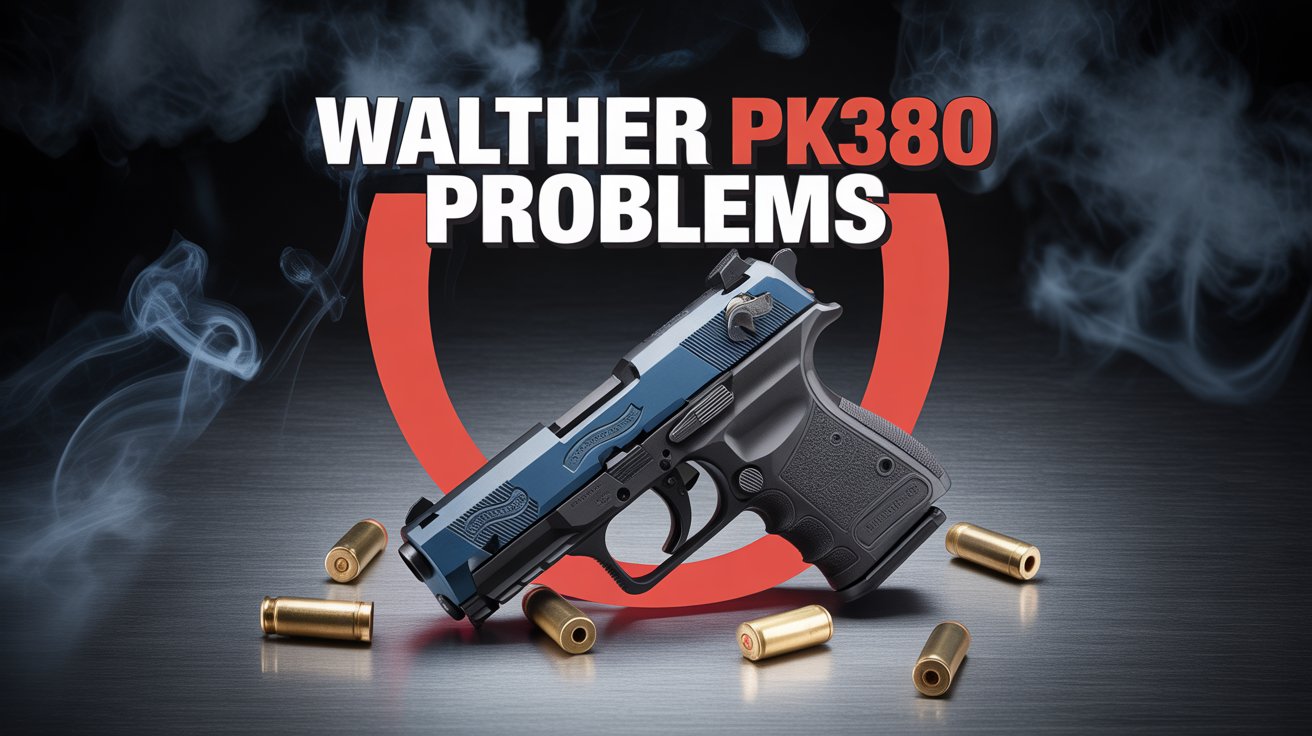
The Walther PK380 is a popular pistol known for its lightweight frame and ease of use, but like any firearm, it’s not without its quirks.
Understanding common Walther PK380 problems can save you time, frustration, and money.
Whether it’s jamming issues or misfires, this guide highlights 10 frequent problems and provides easy fixes to keep your gun performing reliably.
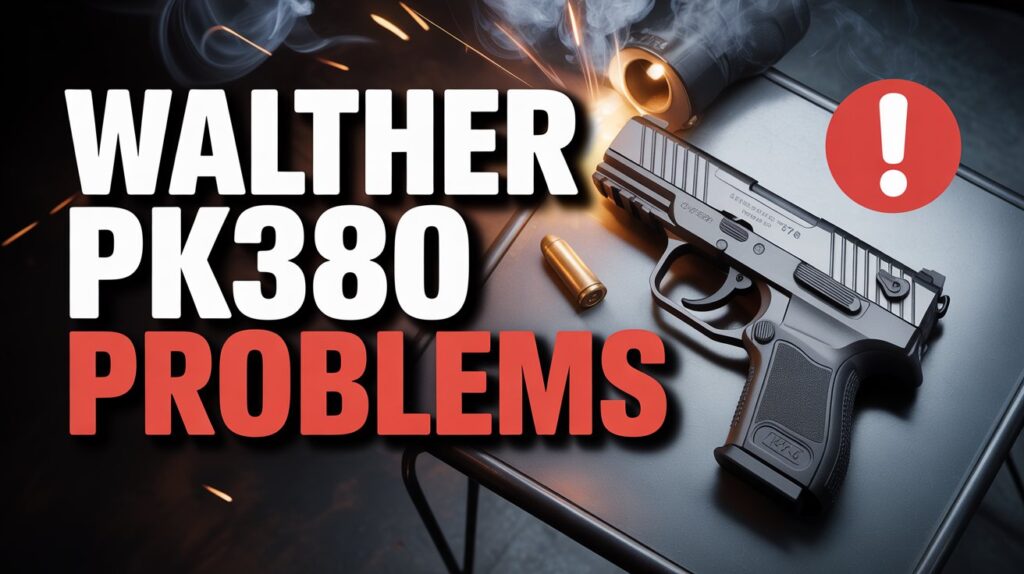
The Walther PK380 can face issues like jamming, failure to eject, and misfires.
These problems often come from dirty magazines, weak ammo, or improper maintenance.
To fix them, clean your gun regularly, use high-quality ammo, and inspect parts for wear. Stay proactive, and your PK380 will run smoothly!
Causes:
The most common cause is the magazine. Weak or damaged magazine springs may not push the next round up fast enough.
Additionally, a dirty feed ramp covered in carbon buildup or residue can create friction, preventing the round from sliding smoothly into the chamber.
Sometimes, the type of ammunition itself can also be the culprit.
Fixes:
Start by cleaning your pistol thoroughly, paying special attention to the feed ramp.
Use a quality gun cleaner and a brush to remove any grime. Inspect your magazines for damage and consider replacing the springs if they feel weak.
Finally, try using different brands of ammunition, as your PK380 might simply prefer a different type of round.
Read Also: 10 Common Walther P22 Problems (With Easy Fixes)
Causes:
This issue is often caused by a dirty or obstructed extractor claw, which fails to grip the rim of the spent casing firmly.
A weak or damaged ejector can also be the problem.
Another common cause is an improper grip, also known as “limp wristing,” which prevents the slide from cycling with enough force.
Fixes:
First, ensure you are using a firm, proper grip. Have an instructor or experienced shooter check your form if you’re unsure.
Next, clean the extractor claw and the area around it meticulously. Use a dental pick or a stiff brush to clear out any carbon buildup.
If the problem persists, the extractor or its spring may need to be replaced by a qualified gunsmith.
Causes:
This problem is almost always related to the magazine’s follower or the slide stop lever. A worn-out magazine follower may not engage the slide stop properly.
Alternatively, the shooter’s grip might be inadvertently holding down the slide stop lever, preventing it from catching the slide.
A weak magazine spring can also fail to push the follower up with enough force.
Fixes:
Check your grip to make sure your thumb isn’t resting on the slide stop lever.
Test the pistol with a different magazine to see if the issue is isolated to one specific mag.
If it is, inspect the follower and spring of the faulty magazine and consider replacing them. Keeping the slide stop mechanism clean is also good practice.
Causes:
The primary cause is often a dirty firing pin channel, which can slow the firing pin’s movement.
A weak or worn-out firing pin spring can also be the issue.
Hard primers found in some cheaper or military-surplus ammunition can also be difficult to ignite.
Fixes:
Thoroughly clean the firing pin and its channel to ensure it can move freely.
If you’ve fired a lot of rounds through your PK380, the firing pin spring might be due for a replacement.
Trying different brands of ammunition with softer primers, such as those made for commercial use, can also resolve the issue.
Causes:
The most frequent cause is the shooter’s grip.
The middle finger of the shooting hand can sometimes unintentionally press against the paddle release, especially for those with larger hands or who are not used to this style of release.
A worn or weak magazine release spring could also contribute to the problem.
Fixes:
Adjust your grip. Try to keep your middle finger lower on the grip, away from the trigger guard where the paddle release is located.
Practicing your grip with an unloaded firearm can help build the right muscle memory.
If adjusting your grip doesn’t solve it, a gunsmith should inspect the magazine release mechanism.
Causes:
For a new gun, this is often just part of the break-in period as the internal parts wear in.
On an older gun, a lack of lubrication or a dirty action can increase friction.
A worn-out recoil spring can also sometimes bind up, making the slide harder to move.
Fixes:
If the gun is new, simply using it more can help. Fire a few hundred rounds to break it in.
For any gun, make sure it is properly cleaned and lubricated according to the manufacturer’s instructions.
Applying a small amount of quality gun oil to the slide rails can make a significant difference. If the recoil spring feels gritty or damaged, it should be replaced.
Causes:
This problem usually points to an issue within the trigger mechanism. A broken or weak trigger return spring is the most likely culprit.
Dirt and grime accumulating in the trigger assembly can also prevent the parts from moving as they should.
Fixes:
This is a more complex issue that often requires professional attention.
You can try a deep clean of the frame and trigger group, but if that doesn’t work, it’s best to take your PK380 to a certified gunsmith.
They can safely inspect and replace the trigger return spring or any other worn components.
Causes:
The primary cause is wear and tear on the takedown lever’s retaining spring or the lever itself.
Repeated disassembly and reassembly can cause these parts to loosen their fit.
Vibrations from firing can also contribute to the lever walking out of position.
Fixes:
Check to ensure the takedown lever is fully seated in its correct position.
If it continues to feel loose or walks out during firing, the retaining spring likely needs to be replaced.
This is a relatively simple and inexpensive part to have a gunsmith install, ensuring your firearm remains safely assembled.
Causes:
The sights may have become loose or misaligned.
On the shooter’s end, poor fundamentals like trigger control (jerking the trigger) or an improper sight picture are very common causes.
Ammunition can also play a role, as different loads can perform differently in terms of accuracy.
Fixes:
First, have an experienced shooter or instructor watch you fire to diagnose any issues with your technique.
Practice dry-firing to improve your trigger control.
Check that both the front and rear sights are tight and haven’t shifted. Finally, experiment with different brands and weights of ammunition to find what your specific pistol shoots most accurately.
Causes:
This severe issue can result from a manufacturing defect or from using high-pressure (+P) or hand-loaded ammunition that exceeds standard pressure specifications.
Firing the pistol with an obstruction in the barrel could also cause catastrophic failure.
Fixes:
If you discover a crack in the frame or slide, stop using the firearm immediately. Do not attempt to repair it yourself.
Contact Walther’s customer service.
They have an excellent reputation and will guide you on how to send the firearm in for inspection and likely replacement under warranty.
Yes, when properly maintained and loaded with quality ammunition it has proven to be reliable for many owners. Regular practice and upkeep are essential for any self-defense firearm.
No, Walther does not recommend using +P (high-pressure) ammunition in the PK380. Doing so can cause excessive wear or damage to the firearm.
A good rule of thumb is to clean your pistol after every time you shoot it. This prevents carbon buildup and allows you to inspect parts for wear.
The PK380 generally performs well with standard-pressure, full metal jacket (FMJ) ammunition for practice and quality jacketed hollow point (JHP) rounds for self-defense. It’s best to test a few brands to see what your specific pistol prefers.
Many new semi-automatic pistols require a break-in period of 100-200 rounds. During this time, the moving parts smooth out, and issues like feeding failures often resolve themselves.