Physical Address
304 North Cardinal St.
Dorchester Center, MA 02124
Physical Address
304 North Cardinal St.
Dorchester Center, MA 02124

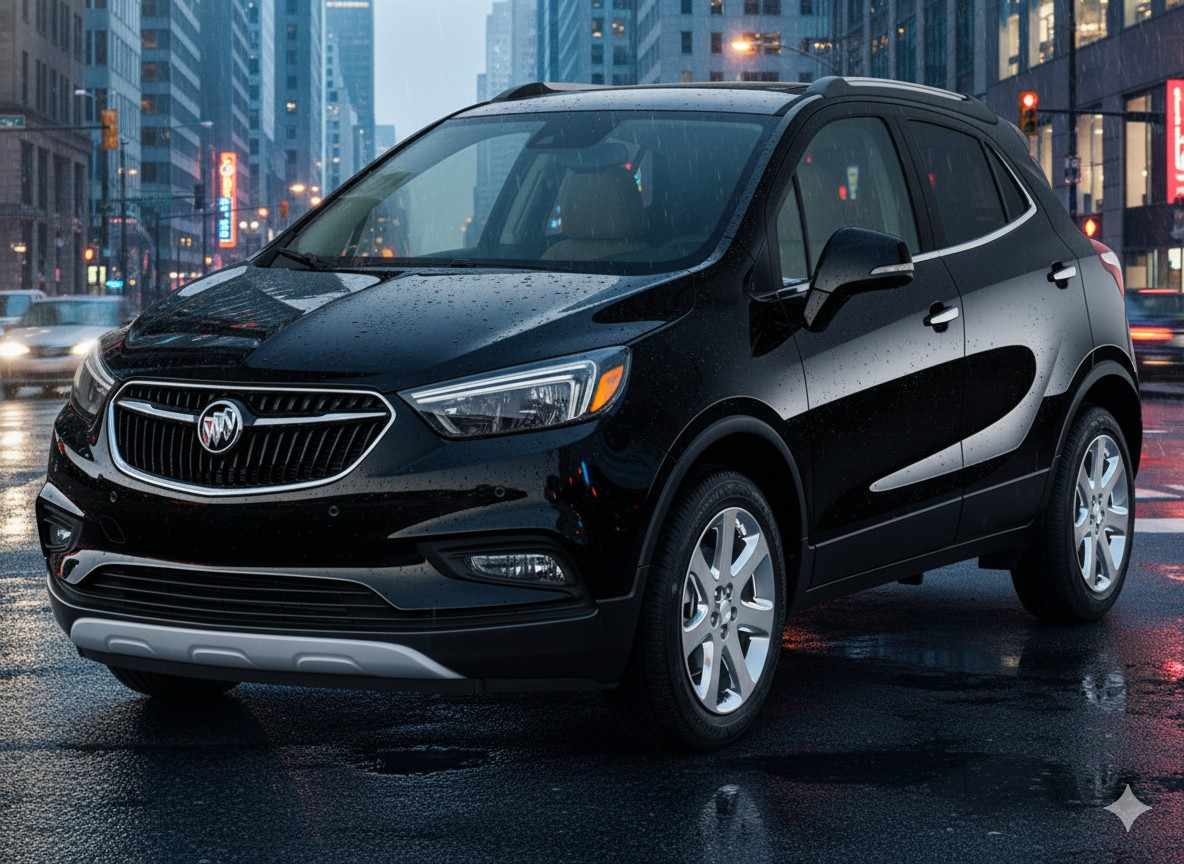
The 2018 Buick Encore is a reliable compact SUV, but like any vehicle, it isn’t without its issues.
From engine stalling to electrical glitches, understanding these problems can save time and money.
This guide on “2018 Buick Encore Problems” explains common causes behind these issues and provides simple fixes anyone can follow to keep their car running smoothly.
Cause
This issue typically stems from the transmission control module software or worn transmission fluid.
The 6-speed automatic transmission in the Encore can develop programming glitches that affect shift timing.
Low or degraded transmission fluid also contributes to rough shifting behavior.
Fixes
Start with a transmission fluid flush and replacement using the manufacturer-recommended fluid.
If the problem persists, have your dealer reprogram the transmission control module with the latest software update.
In severe cases, the transmission may require internal repairs or replacement under warranty.
Read Also: Read Also: 10 Common 2015 Buick Encore Problems (With Fixes)
Cause
The problem often relates to a faulty throttle body or issues with the electronic throttle control system.
Carbon buildup on the throttle body can restrict airflow, while sensor failures confuse the engine computer about how much throttle input you’re providing.
Fixes
Have a mechanic clean the throttle body thoroughly to remove carbon deposits. If cleaning doesn’t resolve the issue, the throttle body assembly may need replacement.
GM issued a technical service bulletin addressing this problem, so check if your vehicle qualifies for coverage.
Cause
The 1.4L turbocharged engine in the 2018 Encore has known issues with piston ring design that allows oil to seep into the combustion chamber.
High-pressure turbocharger operation can also push oil past worn seals into the intake system.
Fixes
Check your oil level every 500-1,000 miles and top off as needed with the correct specification oil.
Document your oil consumption and contact your dealer, as GM has extended warranty coverage for this issue on some vehicles. Severe cases may require engine replacement.
Read Also: 2014 Buick Encore Problems (Explain Cause & Simple Fixes)
Cause
The water outlet housing (also called the thermostat housing) on the 1.4L engine is made of plastic and prone to cracking.
The coolant surge tank and its cap can also develop leaks over time due to pressure cycling and heat exposure.
Fixes
Replace the water outlet housing with an updated metal version that’s more durable. Inspect all coolant hoses for cracks or soft spots and replace as needed.
Replace the coolant surge tank cap first, as this inexpensive fix sometimes solves minor leaks.
Cause
A common culprit is the A/C compressor clutch failing to engage properly due to electrical issues or internal compressor failure.
Low refrigerant levels from slow leaks in hoses or connections also prevent adequate cooling.
Fixes
Have a technician check refrigerant levels and inspect for leaks using UV dye. If refrigerant is low, find and repair the leak before recharging the system.
A failing compressor will need replacement, which is a more expensive repair typically costing $500-$800 in parts and labor.
Read Also: 2013 Buick Encore Problems (Explain Cause & Simple Fixes)
Cause
These issues often trace back to the body control module (BCM) software bugs or poor electrical connections at ground points.
Battery terminals can also corrode, creating voltage fluctuations that confuse electronic modules throughout the vehicle.
Fixes
Clean battery terminals and check all major ground connections for corrosion. Have your dealer update the BCM software to the latest version.
If problems continue, individual modules may require replacement, but exhaust simple fixes first before replacing expensive electronic components.
Cause
The sunroof glass may not be seated properly in its frame, or the sunshade can vibrate against the glass.
Worn or missing rubber seals around the sunroof opening allow wind to whistle through gaps.
Fixes
Adjust the sunroof tilt and position using the adjustment screws accessible when you remove the interior trim.
Apply felt tape to contact points where the sunshade meets the glass. Replace deteriorated weatherstripping seals to eliminate wind noise.
Cause
The rear brake calipers can seize partially, causing the pads to drag constantly against the rotors.
This creates excessive heat and accelerated wear. Contaminated brake pads or poor-quality replacement parts also contribute to premature failure.
Fixes
Inspect the brake calipers for proper operation and replace any that show signs of sticking. Clean and lubricate caliper slide pins during brake service.
Use high-quality brake pads and resurface or replace rotors if they’re scored or warped.
Cause
The timing belt tensioner can wear prematurely, allowing the belt to slip or vibrate. Water pump bearing failure also creates similar noises.
These components operate in a harsh environment with constant heat cycling and mechanical stress.
Fixes
Replace the timing belt, tensioner, and water pump as a complete assembly rather than individual components.
This prevents repeat failures and ensures all related parts have matching service life. This major service typically costs $600-$900 but prevents catastrophic engine damage if the belt fails.
Cause
Direct injection systems like the one in the Encore are sensitive to fuel quality. Carbon buildup on intake valves restricts airflow, while a failing high-pressure fuel pump can’t deliver adequate fuel to the injectors.
Contaminated fuel injectors also disrupt the precise fuel delivery needed for smooth operation.
Fixes
Use top-tier gasoline with detergent additives to minimize carbon deposits.
Have the intake valves cleaned using walnut blasting or chemical cleaners every 30,000-40,000 miles. Replace the fuel filter and consider fuel system cleaning services. A failing fuel pump requires replacement, typically costing $400-$700.
The 2018 Encore has below-average reliability ratings according to J.D. Power and Consumer Reports, primarily due to transmission and engine issues.
Regular maintenance can help prevent many common problems.
Engine stalling while driving poses the greatest safety risk, as it can occur without warning and leave you without power steering or brakes.
Excessive oil consumption is also serious, as it can lead to engine damage if not monitored.
With proper maintenance, the 2018 Encore can reach 150,000-200,000 miles.
However, the 1.4L turbocharged engine and transmission may require major repairs or replacement before reaching higher mileage.
Yes, GM issued several recalls for the 2018 Encore covering issues like side airbag deployment, windshield wiper motor failure, and fuel pump problems.
Check the NHTSA website using your VIN to see if any open recalls apply to your vehicle.
Consider alternatives unless you find one with documented maintenance history and no record of major problems.
If you do buy one, budget for potential transmission or engine repairs and purchase an extended warranty for protection.